A Soccer Ball Icon & SVG for Crafts & Graphics
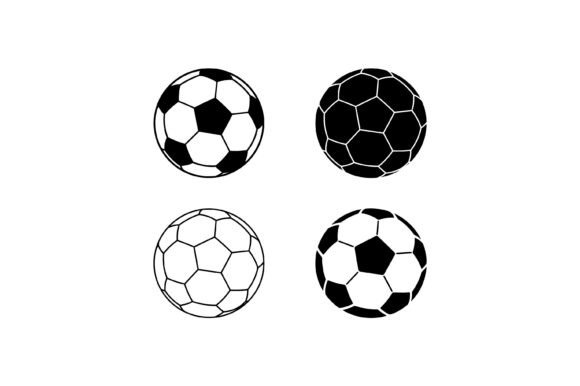
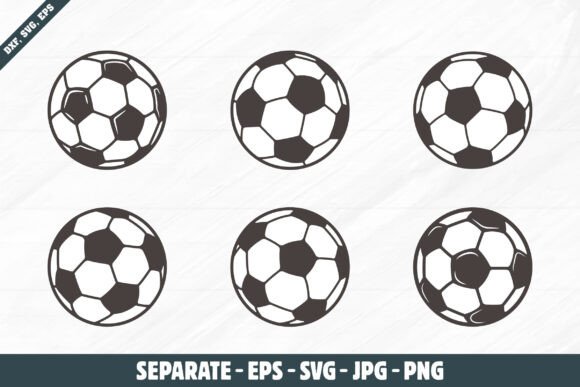
When I first open a new graphic design asset for review, my immediate thought is always, “Will this elevate a client’s project?” The Soccer Ball Icon, Soccer Ball Svg bundle landed on my desk during a project for a local youth league’s seasonal campaign. My first impression was of a clean, classic iconography. It’s not overly stylized or trendy, which is precisely its strength. It represents a straightforward, recognizable soccer ball style that feels timeless and athletic. This visual simplicity creates a mood of clarity and directness, fitting perfectly for projects where the sport itself is the star—not the graphic.
This Asset’s Natural Habitat: From Brand Marks to Merch
In real-world design situations, this type of asset is a versatile Swiss Army knife. For logo design or brand identity elements for a sports cafe or a small coaching business, its clean lines ensure scalability and recognition. In product labels for homemade sports-themed candles or packaging for a boutique’s soccer-themed gift box, it acts as a perfect decorative accent without overwhelming the layout.
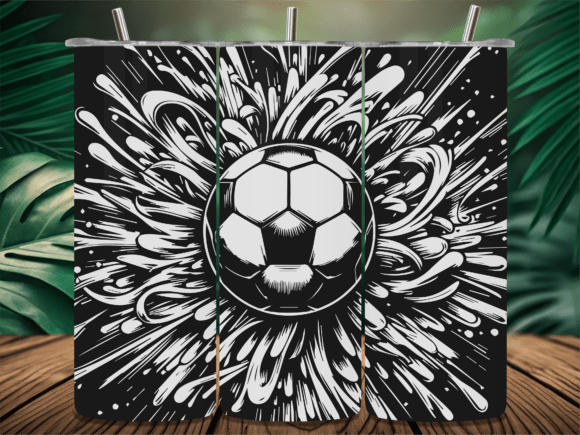
Consider it for posters, flyers, and invitations for a community tournament. It can be a large, bold hero graphic or a subtle repeating pattern in the background. For merchandise—t-shirt designs, mugs, tote bags—the separate SVG and PNG files are invaluable. They allow for seamless integration into sublimation designs or direct upload to print-on-demand platforms. For digital realms, like website graphics, blog visuals supporting a sports editorial, or digital ads for a local sports shop, the asset provides instant thematic credibility.
A Designer’s Checklist for Social & Printable Use
Its performance in social media graphics—Pinterest pins, Instagram posts, or Canva templates—is strong due to its high contrast and clear shape. For crafters and Cricut users, the included DXF and SVG files mean it’s ready for cutting into sticker designs or layered paper crafts without any conversion hassle. As printable wall art in a child’s bedroom or a club’s office, it holds up well at larger sizes. This is a digital product built for commercial design across marketing visuals and creative marketplaces like Etsy.
Where This Soccer Ball Graphic Works Best
This graphic design asset shines in large layout areas and as a primary focal point. Use it boldly in hero graphics for website banners or product mockups. It works wonderfully as a decorative accent within themed collections—think a series of graphics for a summer sports camp campaign. Its clarity makes it excellent for packaging details, like a small foil-stamped icon on a box. For printable designs and social media posts, it provides a quick, professional-looking visual anchor.
Caution Zones: When to Use With Care
However, in my professional judgment, some situations require careful handling. At very small sizes, the intricate panel details might become muddy, especially in crowded layouts or on complex backgrounds. For low-contrast designs or minimalist branding seeking ultra-clean visual hierarchy, this detailed icon might compete rather than complement. It’s not inherently suited for very formal, professional corporate materials where abstract symbolism is preferred over literal illustration.
The Impact on Brand Perception & Professionalism
Using a polished asset like this Soccer Ball Icon, Soccer Ball Svg directly affects a project’s perceived professionalism. It supports brand consistency by providing a standardized, high-quality visual element that can be repeated across touchpoints. This builds visual trust and aids in instant recognition. For audience engagement, especially with a sports-loving community, its emotional appeal is direct and positive. The overall impression it lends to a design project is one of completeness and polish—it shows the client invested in quality creative design.
Essential Practical Notes Before Client Use
Before committing this asset to a real client project, I always run a few tests. First, view it in black and white to ensure it holds its form without color dependency. Check its contrast on both light and dark backgrounds. Crucially, preview it at the intended small size (like on a business card) and large size (like on a poster) to confirm readability. Place it on real mockups—a t-shirt template, a mug, a website header—to see how it interacts with other elements.
If print quality is a concern, test a print of the PNG at high resolution. Review the provided file formats: EPS for vector editing in professional software, SVG for web and scalable use, DXF for cutting machines, JPG for quick placements, and PNG with transparency for layering. This separate file structure for each design is a major plus. Inspect the PNG transparency edges. If editing is needed, the SVG file should allow for color changes or simplification.
I compare it with different font styles: it pairs well with a bold sans serif for a modern design feel, a classic serif for a more traditional athletic brand, or even a playful display font for a handmade business targeting kids. The final, non-negotiable step: confirm the commercial licensing. For use in client work, small business branding, or any commercial design assets you sell, you must ensure the license permits it. This bundle, as a digital download of files compressed into one ZIP, typically implies commercial use, but always verify. Only then can you confidently integrate it into your creative workflow, knowing it will support, not hinder, the final design.