Integrating Playful Crafts for Your Brand Identity
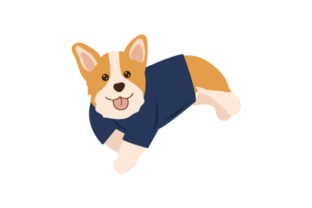
When a potential design asset lands on my desk for a client project, my first evaluation is always about emotional resonance. The Corgi wearing a soccer jersey, as a graphic, instantly creates a mood of cheerful playfulness and community spirit. It suggests a brand personality that is friendly, approachable, and unpretentious. This isn’t about sleek minimalism; it’s about warmth and connection. For a local bakery specializing in team-themed cupcakes, a neighborhood coffee shop supporting a youth league, or a handmade soap business with a sporty, active lifestyle angle, this design asset could be a powerful, emotive cornerstone.
The Versatility of a Sporty Corgi in Real-World Branding
The true value of a design asset like the Corgi wearing a soccer jersey lies in its practical application across a business’s entire visual ecosystem. Its inherent charm translates beautifully into tactile, physical brand materials. Imagine it as a central hero graphic on a product label for a line of “Team Spirit” dog treats. It could become a repeating pattern on the inside liner of a boutique’s gift bag, or a standalone illustration on a thank-you card for a children’s sports camp fundraiser. The provided formats—SVG, PNG, EPS—are key. The SVG file means I can seamlessly integrate it into a custom logo design, perhaps for a “Corgi & Co.” pet boutique, ensuring scalability from a business card to a storefront banner. The transparent PNG allows for quick deployment onto social media graphics announcing a weekend sale or a seasonal “Support Local Teams” campaign.
Elevating Product Presentation and Customer Trust
In competitive local markets, polished presentation is non-negotiable. Using a consistent, well-executed illustration like this corgi across packaging, labels, and promotional visuals builds a cohesive brand identity. This consistency leads to better product recognition on a crowded shelf—a candle brand using the motif on its lid creates immediate visual recall. It strengthens the emotional connection with a customer who identifies with the joyful, supportive imagery. For a food business, like a jam maker, placing this asset thoughtfully on a jar label can make the product feel more handmade and personal, improving perceived value and trust far beyond a generic, text-only label.
Strategic Placement: Where This Asset Shines
For maximum impact, I would deploy the Corgi wearing a soccer jersey in specific, high-visibility roles. It works excellently as a primary decorative element on product packaging for crafts and small batch goods. Consider it as a large, welcoming graphic on a menu board for a family-friendly café. It’s perfect for promotional banners for a seasonal sale, like a “Back-to-School Sports Fair,” and as a focal point in product mockups for a website. Its playful nature makes it ideal for thank-you cards and stickers that add a memorable touch to a customer’s purchase. For a florist doing arrangements for local team celebrations, this asset could be the centerpiece of a targeted social media campaign graphic.
Notes for Considerate and Effective Use
While versatile, this type of illustrative asset requires thoughtful application. It should be used carefully in areas dominated by essential text, such as legal information panels on packaging or dense ingredient lists. On very small labels, the detail might become lost. For a brand aiming for a luxury, minimalist aesthetic, this decorative corgi would likely compete with the desired tone. It’s also crucial to test it on backgrounds; the transparent PNG is a gift, but I always check its clarity on both light and dark mockups to ensure the design maintains its integrity and doesn’t create unintended visual noise.
A Brand Designer’s Practical Checklist Before Deployment
Before committing this asset to a client’s commercial design project, I run through a series of real-world tests. First, I create physical packaging mockups at actual print scale to see how it reads. I check its functionality in black and white, ensuring it retains its character for potential single-color printing scenarios. I preview it on the smallest label size the client will use. Then, I test it alongside the brand’s chosen typography—how does it interact with a clean sans-serif font versus a playful script? This reveals if it supports or clashes with the visual hierarchy. Crucially, I confirm the commercial licensing of the asset for use in physical product sales and business branding. Finally, I compare its application on a sample product against competitor packaging to gauge its unique shelf appeal and professional polish.
Ultimately, the Corgi wearing a soccer jersey is more than just a dogs-themed craft graphic. For the right local business—one built on community, cheer, and personal touch—it becomes a versatile tool for building a stronger first impression, telling a clearer brand story, and creating more polished marketing visuals that resonate on a human level. Its success lies not in the file formats themselves, but in the strategic, thoughtful integration into the living identity of a real small business.